
Genkido
Aikido
Bokkendo
Jodo
Training
 
Training in this dojo is based upon two philosophical “pillars.” The first, is “Mu Shin,” which can be translated to mean “empty mind.” It is important to clear our mind from the day and focus upon the immediate experience when entering the training area. At a deeper level, all of us must put aside our preconceived notions about what we can and cannot do, so that we can open ourselves up to truly learn from the training experience.

Our ability to execute Aikido techniques will greatly improve, when we can learn to “be in the moment”. The second philosophical “pillar” is “Sho Shin,” which can be translated to mean “beginner mind.” All of us, including the instructors, must put our egos aside and be open to learn from all that we experience in the dojo. The act of teaching should be viewed as a learning experience for the teacher as well as the student. Teaching can encompass any of the following subject matters:

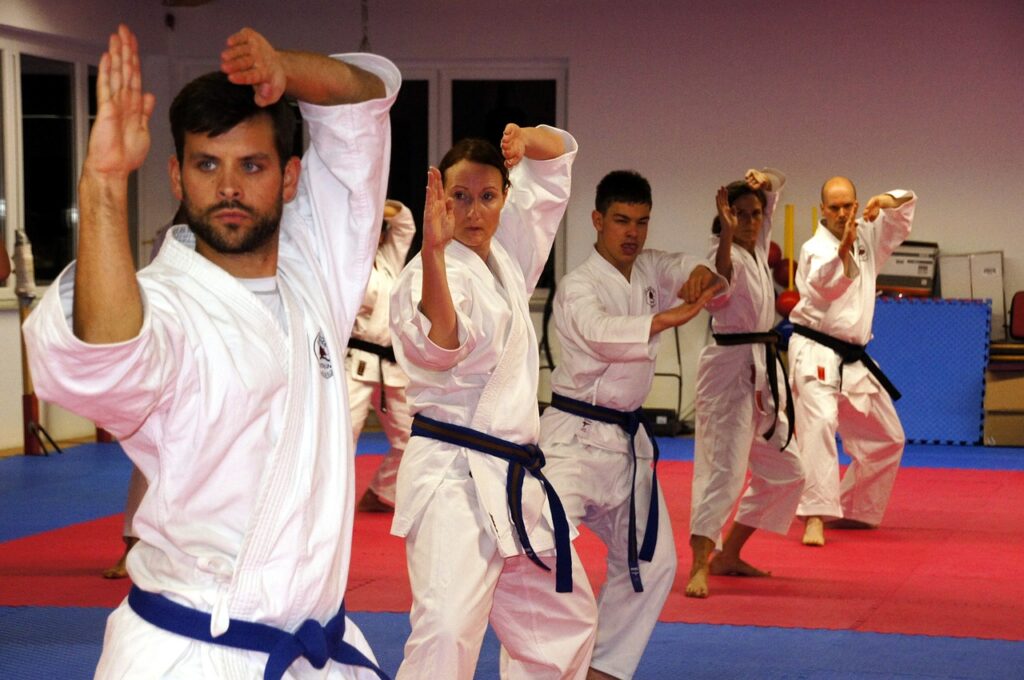
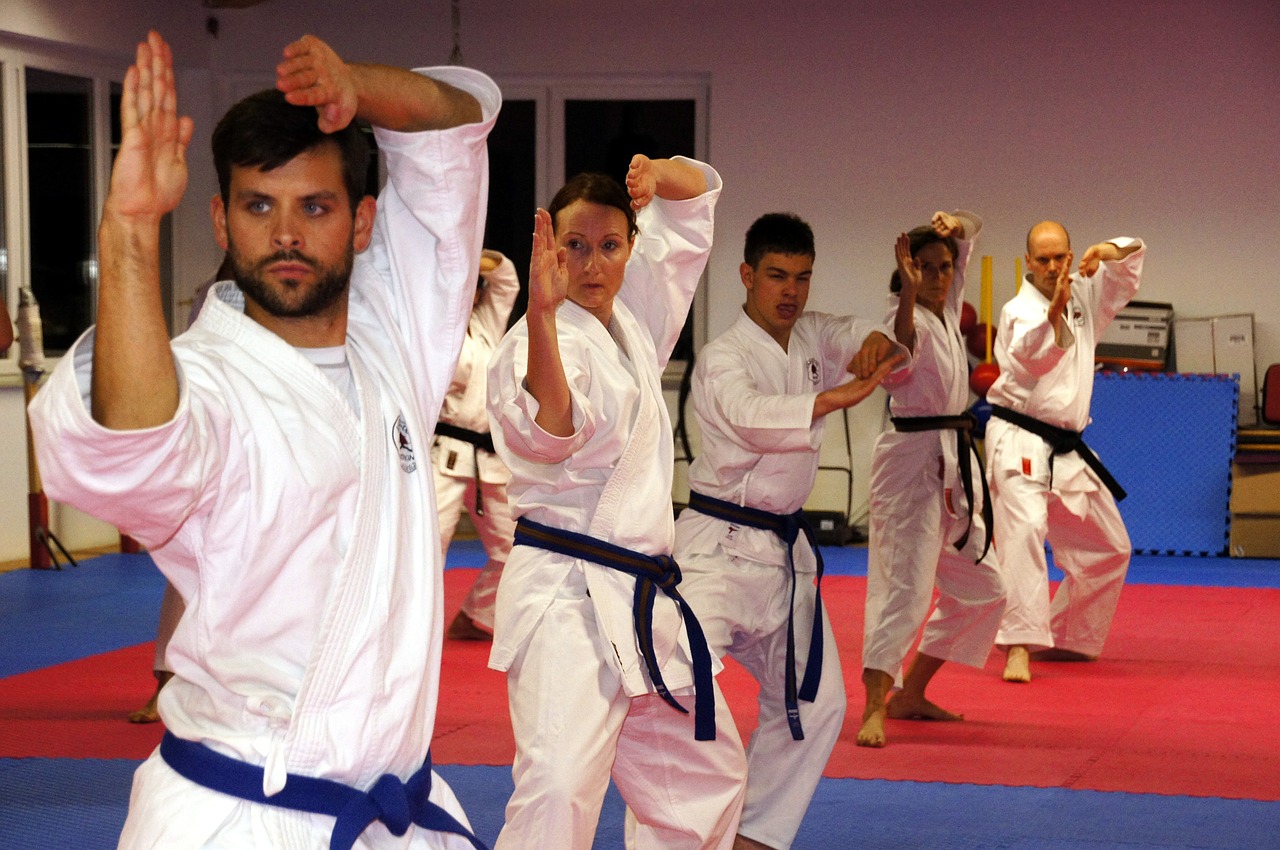
A) Genkido: Genkido can be defined as the foundation from which Aikido arises. Aikido is an internal martial art which means that it relies heavily upon our ability to foster and develop our “life energy” (referred to in Japanese as “Ki”). There are skill sets that can be taught that can help a person learn how to recognize and strengthen one’s own “ki”. These skill sets comprise learning how to stand, walk, and move in a manner that is centered, focused and energized without unnecessary muscle tensions.


B) Aikido:
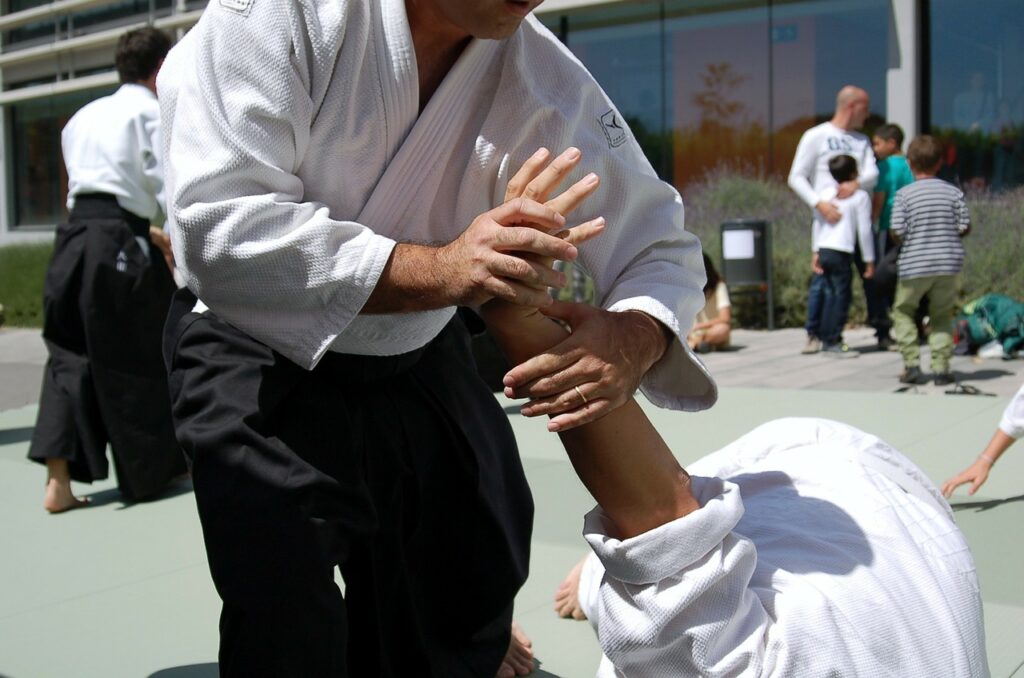
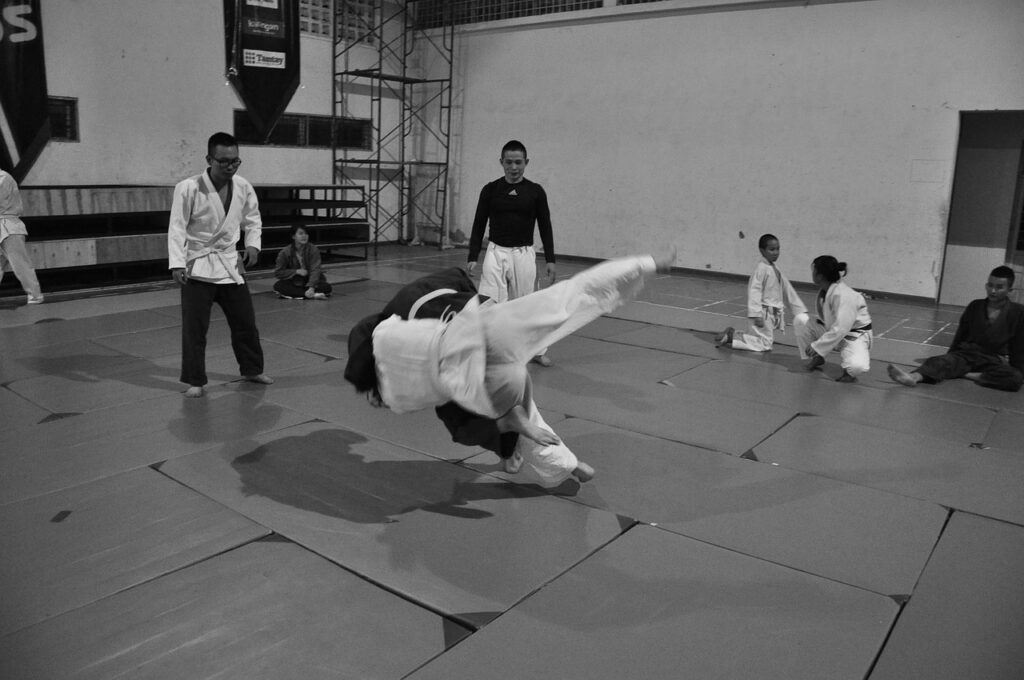
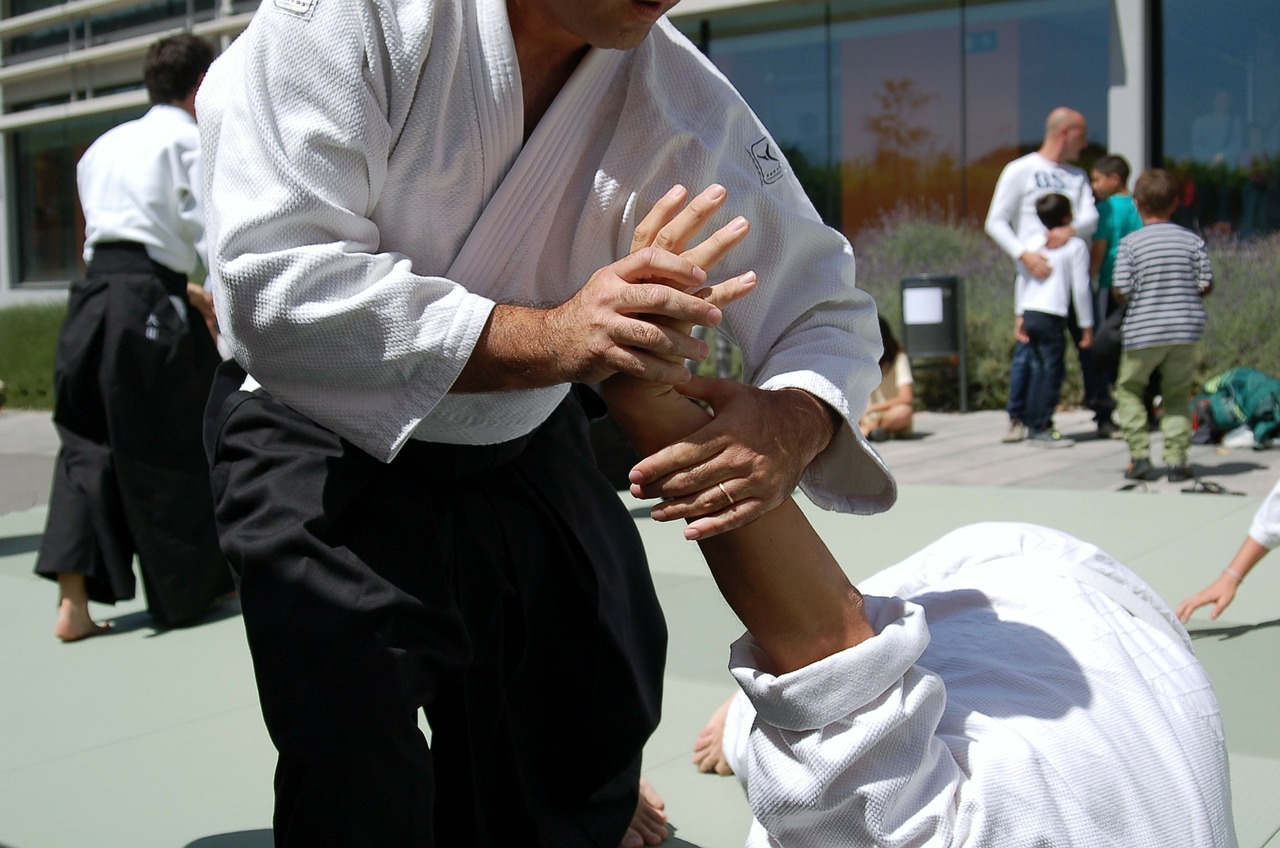
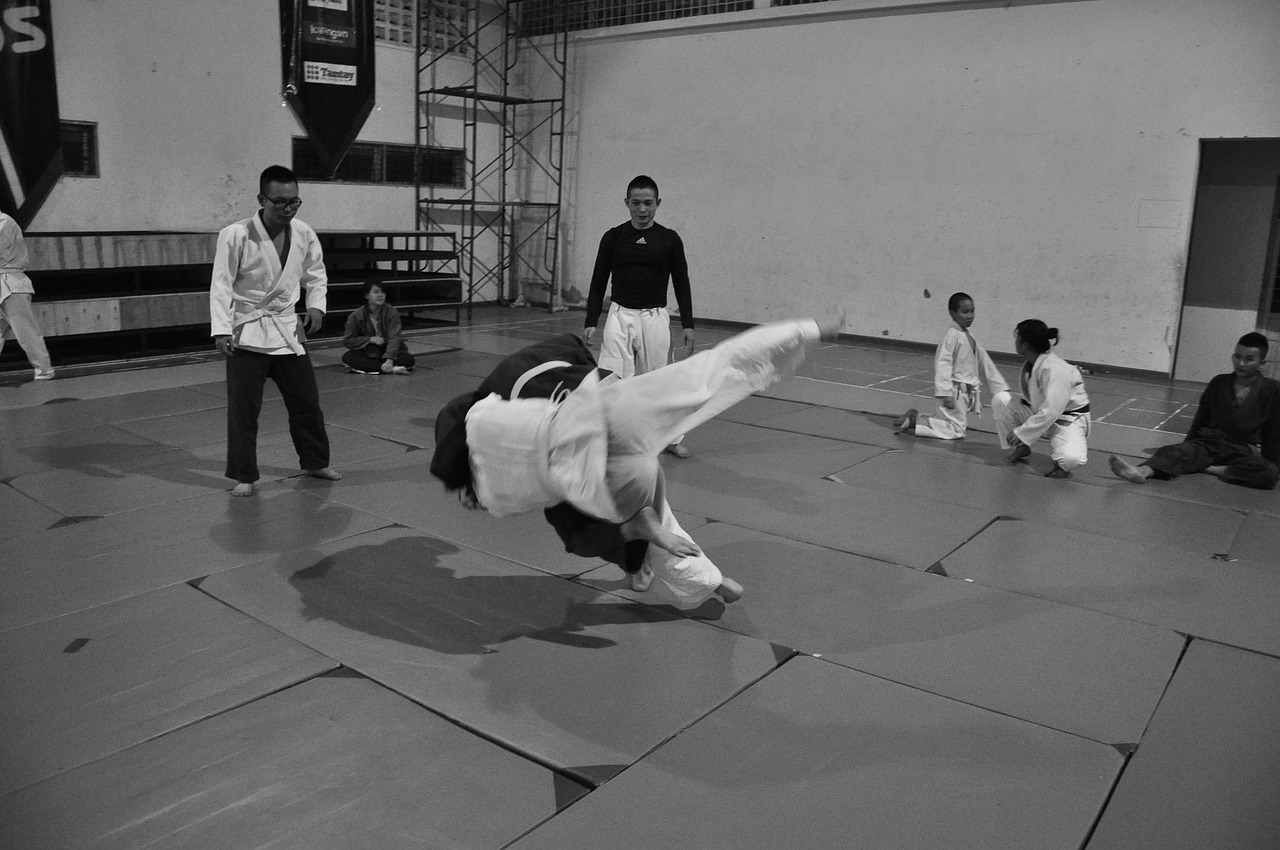
Aikido compromises an almost endless continuum of techniques that either restrain, or throw an attacker. The techniques are based upon utilizing the attacker’s energy and momentum whether the attacker is unarmed or armed. This martial art is primarily defensive in nature, teaching people that effective defense does not mean having to be unduly aggressive.


C) Bokkendo:
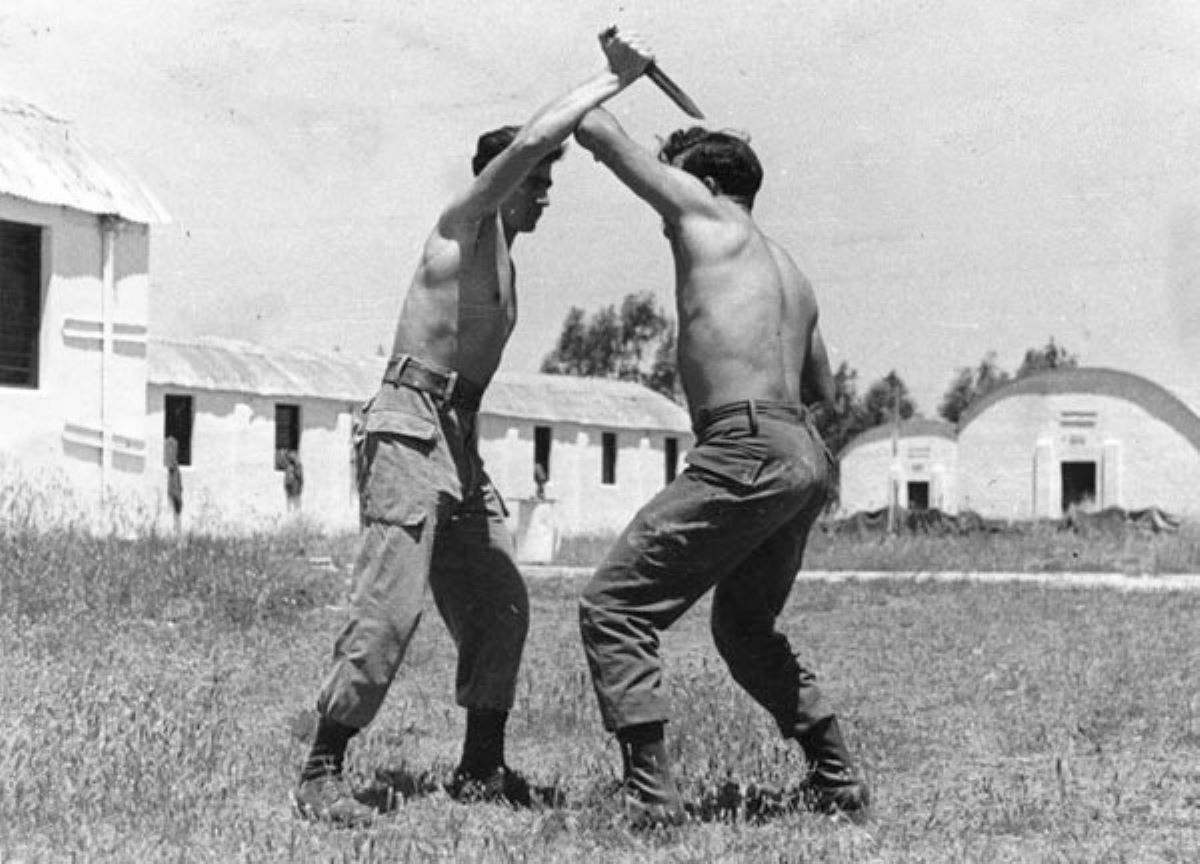
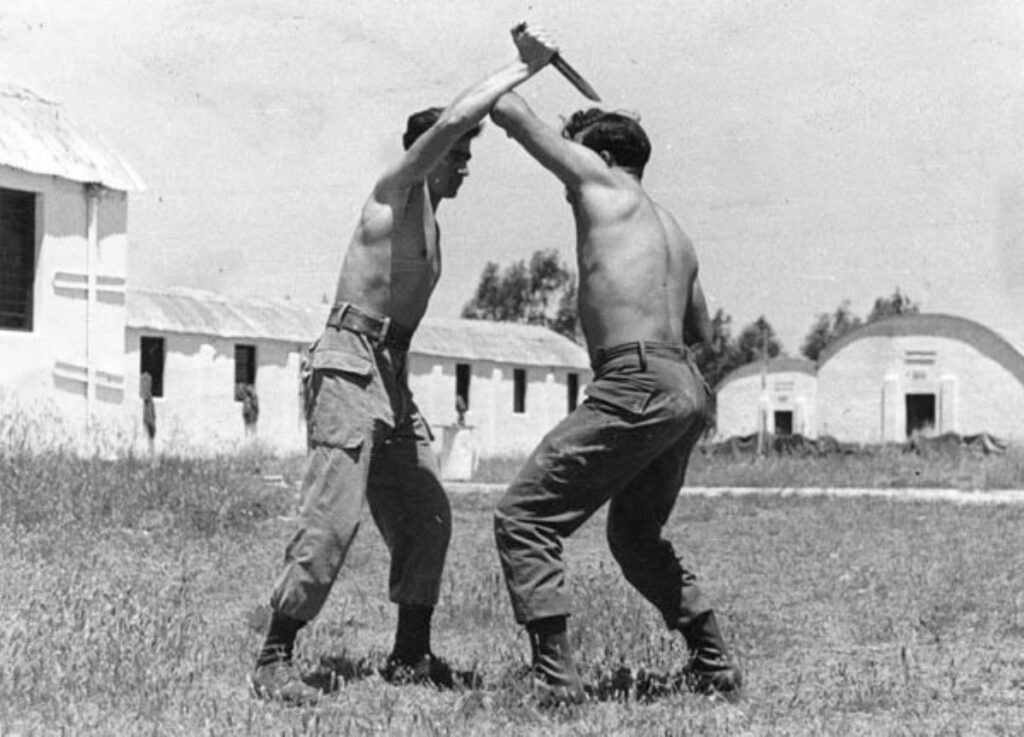
Bokkendo is the art of the wooden sword. The movements and katas (pre-arranged series of movements) that are taught have been derived by Imaizumi Sensei from established weapons arts and from the direct teaching of the founder of Aikido. Our weapons curriculum represents a unique blend of various classical training styles crafted specifically to complement aikido training, and should not be confused with direct training in any one of those source arts. Martial arts in Japan derived from fighting arts in which the use of the sword was the primary means of fighting. Learning how to use the wooden sword helps the student to understand the nature of the movements contained within Aikido. Working with the sword heightens the sense of timing and awareness of space between two people, which should lead directly to the better execution of unarmed techniques.


D) Jodo:
Jodo is the art of the four-foot, wooden staff. The movements and katas (pre-arranged series of movements) that are taught have been derived by Imaizumi Sensei from established weapons arts and from the direct teaching of the founder of Aikido. Our weapons curriculum represents a unique blend of various classical training styles crafted specifically to complement aikido training, and should not be confused with direct training in any one of those source arts. Working with the sword heightens the sense of timing and awareness of space between two people, which should lead directly to the better execution of unarmed techniques.